Residential Services
Foundation Releveling
Lift and realign your home to its original elevation and balance.
Read More →Micropile Underpinning Systems
Transfer structural loads to deeper, stable soils using engineered systems.
Read More →Void Filling & Soil Stabilization
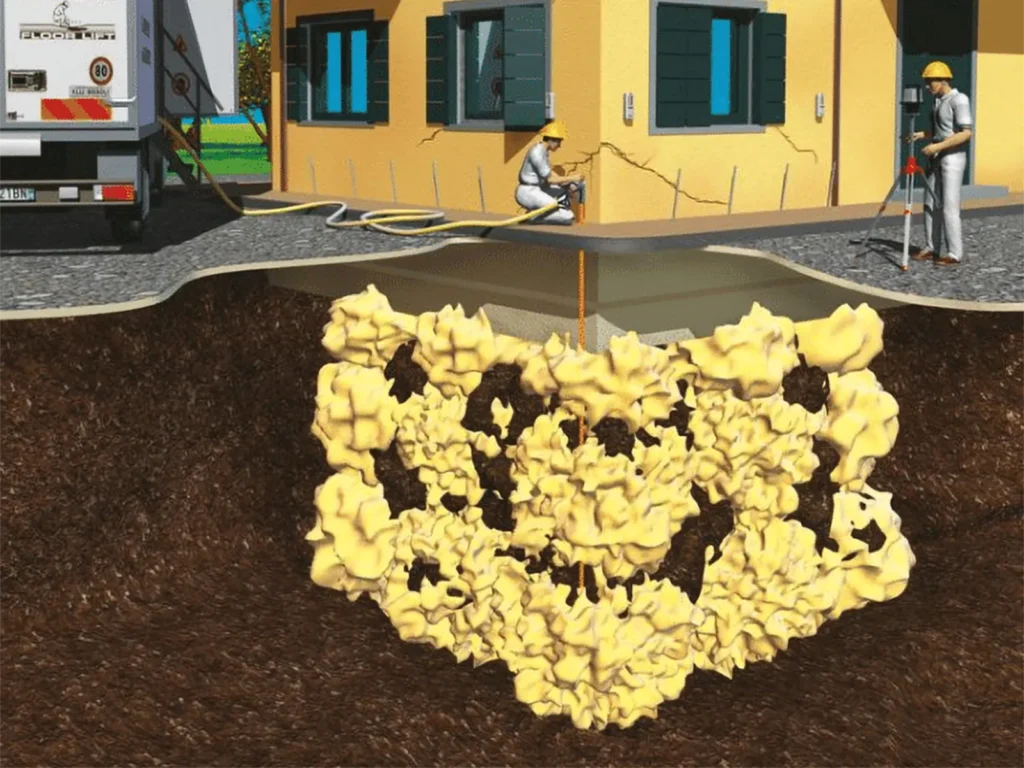
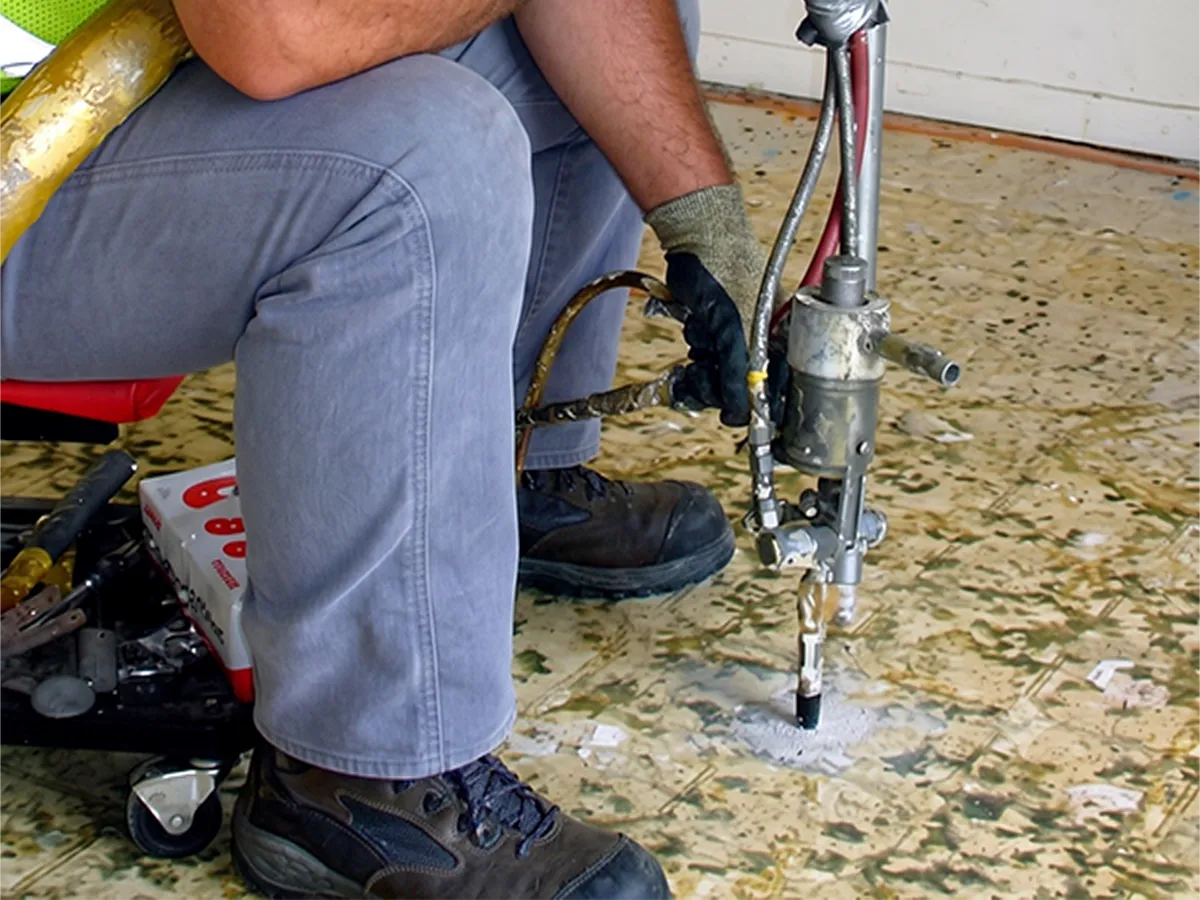
Fill subsurface gaps and strengthen supporting soils beneath your foundation.
Read More →Compaction Grouting
Densify loose soils to improve load-bearing capacity and reduce settlement.
Read More →Retaining Wall Repair & Reinforcement
Stabilize failing walls and reinforce structural support against soil pressure.
Read More →Slope Stabilization Systems
Secure sloped terrain to prevent erosion, shifting, and structural risk.
Read More →Expansive Clay Soil Stabilization
Control soil movement caused by moisture-driven expansion and contraction.
Read More →Geotechnical Investigations & Reporting
Analyze soil conditions and provide data-driven recommendations for repair.
Read More →Commercial Services
Concrete Spall Repair & Restoration
Repair damaged concrete and restore structural performance and appearance.
Read More →Guardrail & Gate Systems Installation
Storefront Glazing Systems
Deliver modern, high-performance glass systems for commercial facades.
Read More →Window Replacement & Upgrades
Improve efficiency, durability, and appearance with upgraded window systems.
Read More →Post-Tension Structural Repair
Restore integrity of post-tension systems in concrete structures.
Read More →Sliding Door System Replacement
Replace worn or failing door systems with smooth, reliable operation.
Read More →Permit Engineering & Coordination
Provide engineering support to streamline approvals and project execution.
Read More →